
Electric Vehicle Leasing for Businesses
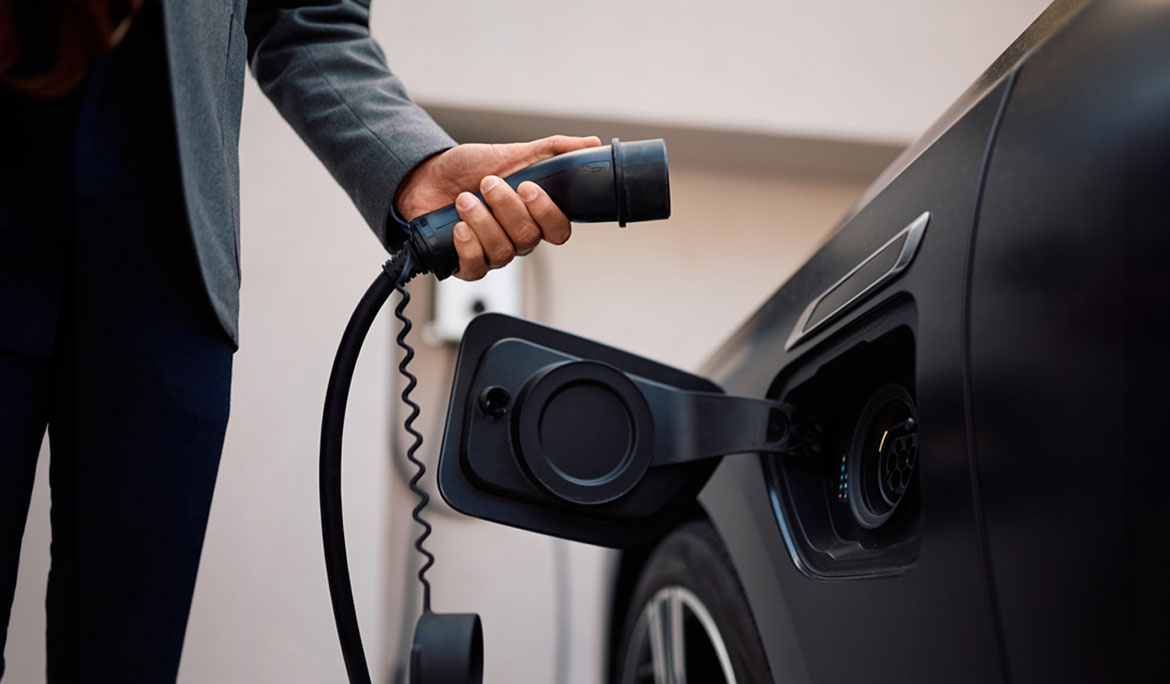
Transportation costs represent a significant expense that cannot be overlooked in any business’s budget. Fluctuations in fuel prices, rising maintenance costs, and stricter environmental regulations are driving companies to explore new approaches to fleet management. This is precisely where electric vehicle leasing emerges—not merely as a trend, but as a concrete business strategy.
In this article, we discuss why companies should turn to electric vehicle leasing, what benefits this model offers from both operational and financial perspectives, and what factors to consider for a successful transition.

Until a few years ago, electric vehicles were viewed primarily as a technology of interest to individual consumers. Today, the picture is different: with the expansion of charging infrastructure, increased vehicle range, and the total cost of ownership becoming more favorable, corporate fleets have also taken center stage in this transformation.
From a corporate perspective, electric vehicle leasing offers access to next-generation technology without the need for a large upfront investment. The risks associated with vehicle ownership—such as depreciation, loss of resale value, and tied-up capital—are eliminated; instead, a predictable, monthly expense structure is established.
When you compare a traditional vehicle with an electric vehicle, the difference is most noticeable in energy and maintenance costs.
Energy costs: The cost per kilometer of charging is, in most cases, significantly lower than the cost of purchasing fuel. As the number of vehicles in the fleet increases, this difference translates into substantial annual savings.
Maintenance costs: The mechanical structure of electric vehicles is much simpler compared to vehicles with internal combustion engines. The absence of parts that require regular maintenance—such as oil changes, the exhaust system, and spark plugs—reduces both the frequency of maintenance and service times. This means fewer days when vehicles in the fleet are “off the road.”
Tax benefits: As in many countries, tax breaks and incentives for electric vehicles in Turkey can be considered an additional factor that lowers the total fleet cost.
One of the strongest aspects of the leasing model is that it simplifies the fleet renewal process. As vehicle technology advances rapidly, a fleet built through purchase can quickly become outdated. Companies that lease can renew their fleets with the latest models at the end of their contract terms, gaining advantages in terms of both efficiency and employee satisfaction.
Additionally, having the leasing company manage maintenance, insurance, and service processes reduces the operational burden on businesses. The need to establish a separate team for fleet management is eliminated, allowing companies to focus more on their core business processes.
The quiet operation and smooth acceleration of electric vehicles are key factors that make a difference, especially in heavy urban traffic. For sales teams or field staff who spend long hours behind the wheel, this difference translates into a practical advantage that reduces fatigue at the end of the day. Modern driver-assistance systems and digital display experiences also contribute to making daily use more convenient.
With zero exhaust emissions, electric vehicles have become a natural part of corporate sustainability strategies. Companies that build their fleets with electric vehicles not only reduce their carbon footprint but also demonstrate an environmentally conscious corporate stance to stakeholders and customers. Today, many corporate customers and business partners consider sustainability criteria when selecting suppliers; this can turn an investment in an electric fleet into a competitive advantage.
Planning a few key points when transitioning to an electric vehicle fleet can make the process easier.
Assessing the usage routes and average daily distances of the fleet’s vehicles makes it easier to select models with the appropriate range. If the fleet is used primarily for heavy urban driving, range efficiency is generally higher thanks to regenerative braking.
Including charging stations near offices, warehouses, or frequently used stops in the route helps employees quickly adopt charging habits. Remembering that charging times require different planning compared to refueling speeds up adaptation during the initial period.
Evaluating flexible contract options based on fleet size facilitates both cost control and the transition to future technological innovations.
Electric vehicle leasing offers companies more than just a cost advantage; it provides a comprehensive mobility strategy that simultaneously enhances operational efficiency, employee satisfaction, and corporate reputation. With the right planning, this transition can be completed in a process that is far less complex than one might imagine.
If you want to make your company’s transportation needs more efficient, eco-friendly, and predictable, now is the perfect time to evaluate electric vehicle fleet leasing options.
Most businesses assess the cost of their vehicle fleet to the company by looking only at fuel and insurance bills. However, the full picture is much broader: when you factor in the high upfront cost of purchasing vehicles, the maintenance and repair burden in subsequent years, insurance policies that must be renewed regularly, the depreciating value of the vehicles over time, and the time required by a team to manage all these processes, the resources that should be allocated to the company’s growth are depleted without you even noticing. DRD Fleet Leasing consolidates all these scattered and uncertain costs into a single, predictable monthly payment; this allows you to redirect your capital toward truly important investments while reinforcing your company’s professional image with a fleet of up-to-date and well-maintained vehicles.
Since lease payments under a long-term vehicle lease structure are directly recorded as expenses, you benefit from tax advantages; at the same time, your balance sheet takes on a simpler structure, independent of assets that depreciate over time. Furthermore, all administrative and technical tasks related to the vehicle—from routine maintenance to tire tracking, and from damage claims to insurance renewals—are handled on your behalf. This allows your team to focus on your core business objectives rather than dealing with vehicle-related tasks, ensuring your daily operations continue without any disruptions.
Regardless of your company’s industry, number of employees, or operational structure, we can create a leasing model tailored specifically to your needs. With a wide selection of vehicles and flexible package options designed to meet the unique needs of every industry, all you need to do to find the solution that best suits you is contact us through our “Request a Quote” page.