
Exhaust Inspection and Emission Testing Fees - 2026 Comprehensive Guide
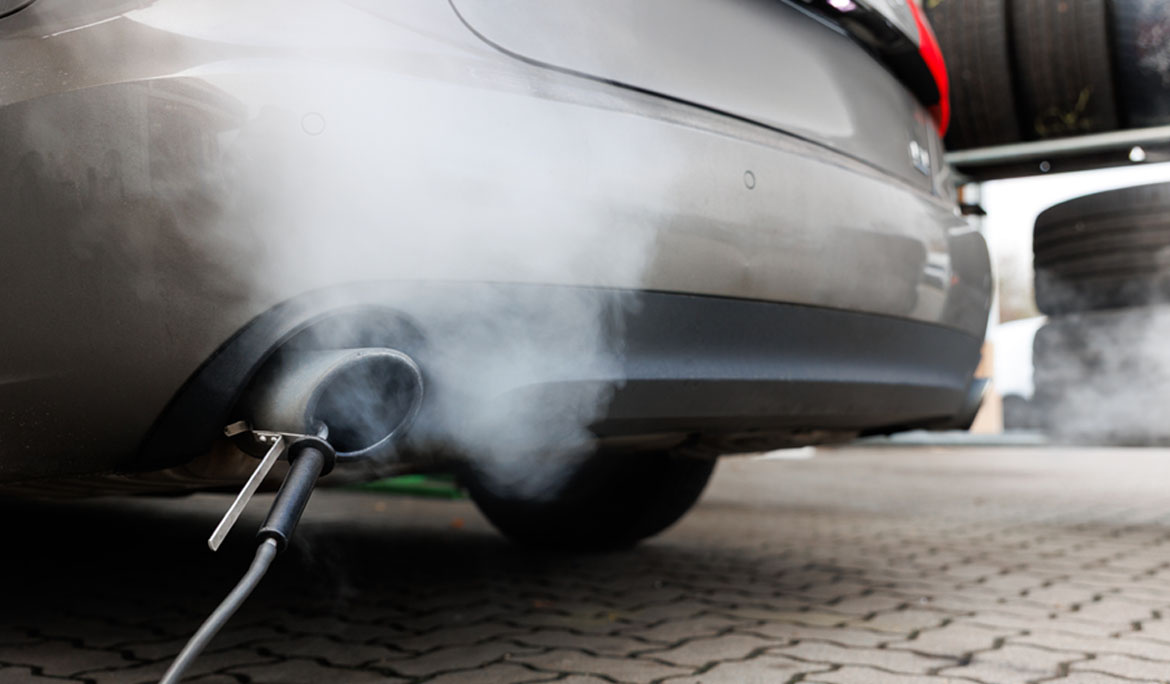
The smoke coming out of your vehicle’s exhaust pipe is not just a visible cloud of gas. This mixture, containing dozens of different chemical compounds, directly affects the air we breathe, the microclimate of cities, and the planet’s energy balance in the long term. This is precisely why the exhaust emissions inspection stands out as the most fundamental environmental responsibility a vehicle owner must fulfill. So, what exactly is this inspection, how is it conducted, how much will you pay in 2026, and what are the consequences of not getting it done? The answers to all these questions await you in this guide.
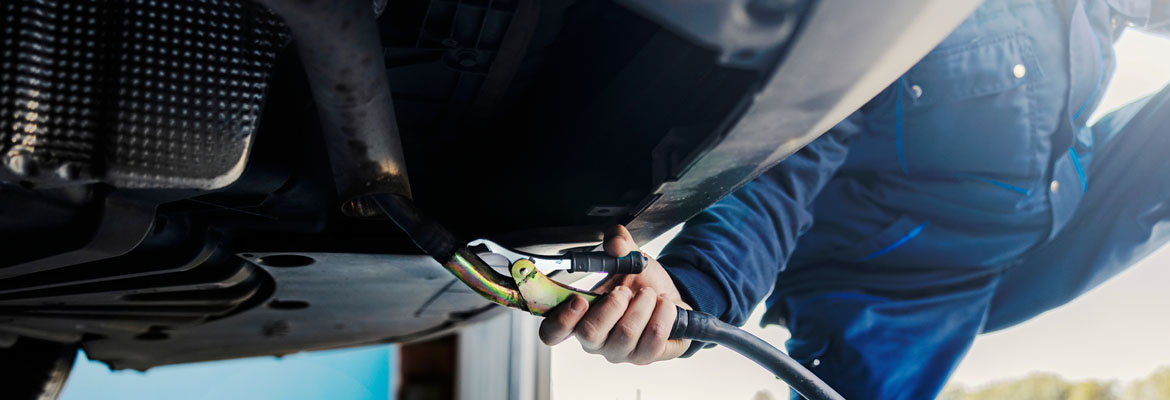
An exhaust inspection is a technical inspection process in which the amount of harmful gases emitted by a motor vehicle into the atmosphere is measured using specialized equipment at authorized stations and compared to legal limit values. The focus of the measurement is on the following gases:
- Carbon Monoxide (CO): A colorless and odorless gas that is deadly in high doses. It is the most obvious indicator of incomplete combustion.
- Hydrocarbons (HC): Represent unburned fuel residues. They are both toxic and harmful to the ozone layer.
- Nitrogen oxides (NOx): A primary component of acid rain and urban smog.
- Carbon dioxide (CO₂): An inevitable byproduct of combustion; a primary contributor to global warming.
- Particulate matter: Primarily found in diesel engines; it causes respiratory diseases.
The accumulation of these gases in urban air poses a serious threat not only to the environment but also to public health. The link between vehicle-related air pollution and respiratory diseases, cardiovascular issues, and premature deaths has been scientifically proven. Therefore, an emissions test is a societal environmental protection mechanism that goes far beyond an individual obligation.
In addition, an emissions test provides extremely valuable insights into your vehicle’s engine. Abnormal spikes in emission levels often indicate maintenance issues, fuel system problems, or technical faults in the exhaust system. The test serves not only to avoid fines but also as an early warning system to ensure the vehicle operates reliably and efficiently over the long term.
The exhaust emission inspection is a legal requirement for all registered motor vehicles under the regulations of the Ministry of Environment, Urbanization, and Climate Change. Inspections can be conducted both at authorized stations on a scheduled basis and during random traffic stops. Vehicles without a valid exhaust inspection certificate face an immediate administrative fine if detected on the road.
On the other hand, exhaust emission testing is also a prerequisite for periodic vehicle inspection. Vehicles without a valid emission certificate will not be granted a vehicle registration certificate or will be deemed to have major defects. In other words, one cannot be completed without the other; these two processes form a complementary whole
Unlike the vehicle inspection fee, the exhaust emission measurement fee does not vary by vehicle segment. Whether it’s a car or a truck, the same rate applies to all vehicles. The fee is updated annually based on the revaluation rate.
As of 2026, the exhaust gas emission measurement fee is 460 TL.
For comparison, the fee in 2025 was 368 TL. The 25.49% revaluation increase has raised the 2026 rate to 460 TL. This amount is standard throughout Turkey; you will pay the same fee regardless of which city or authorized station you use.
Here are a few important details you should know about the fee:
- The exhaust emission fee is a separate item from the periodic vehicle inspection fee. These are two distinct processes; the exhaust emission fee is not included in the vehicle inspection fee.
- If the vehicle’s emissions do not meet standards following the test, you may have the vehicle serviced and return to the same station to use your right to a free retest. This right generally applies to the first two attempts and is limited to 30 days.
- If you go to a different authorized station, you will have to pay the fee again.
- Payment is made in cash or by card at the station’s cashier’s office.
Failing to have the exhaust inspection performed on time or showing emission values outside the standards during the inspection results in serious financial penalties.
|
Penalty Type |
2026 Amount |
|
Vehicle owner who fails to have the exhaust emission test performed |
17,957 TL |
|
Vehicle owner whose vehicle produces emissions that do not meet standards |
35,936 TL |
|
Vehicle with deactivated emission control system (catalytic converter, DPF, SCR, EGR) |
17,957 TL |
|
Unauthorized stations conducting improper measurements |
71,839 TL |
|
Issuing forged documents or conducting unauthorized measurements |
143,791 TL |
Important note: Even if the vehicle inspection period has expired by just one day, the full fine is imposed if the vehicle is detected on the road. Unlike vehicle inspections, no monthly late payment surcharge is applied; instead, a one-time, fixed administrative fine is imposed.
A 25% discount is applied if payment is made within 15 days.
Fines are issued by the Exhaust Gas Emission Monitoring System under the Ministry of Environment, Urbanization, and Climate Change.
Not all motor vehicles are subject to this test. The following vehicles are exempt from exhaust emission testing under legal regulations:
- Motorcycles and mopeds
- Agricultural and forestry tractors
- Electric vehicles
- Hybrid electric vehicles
- Hydrogen-powered vehicles
- Vehicles with diesel engines manufactured in the 1979 model year or earlier
All gasoline, diesel, and LPG-powered vehicles not included in the above list are required to undergo testing.
The emission testing interval varies depending on the vehicle type:
Private and official passenger cars: At the end of the first 3 years, then every 2 years.
Commercial vehicles (trucks, buses, taxis, etc.): At the end of the first year, then annually.
When a vehicle changes hands, the current inspection date remains valid; the counter is not reset when the new owner takes possession of the vehicle. Therefore, when purchasing a used vehicle, it is essential to verify the date of the last emissions test.
In some cases, the inspection must be renewed before the expiration date:
- If modifications have been made to the fuel system
- If modifications affecting engine power have been made
- If chassis modifications have been made
- If the vehicle has been involved in a traffic accident and has been referred for inspection by the authorities
Although the process may seem technical, it proceeds quite quickly in practice. After scheduling an appointment and arriving at the authorized station, the following steps are carried out in order:
- Vehicle and document registration The license and identification information are entered into the system, and a measurement record is opened.
- Preliminary inspection The exhaust system is checked for visible leaks, holes, or breaks. If a serious defect is detected, the measurement is not performed.
- Connecting the device and measurement A special probe is placed at the exhaust outlet. For gasoline-powered vehicles, the engine is run at idle and high RPM to measure CO, HC, and lambda values. For diesel- -powered vehicles, smoke density and particulate emissions are measured using the free acceleration method. For LPG-powered vehicles, separate measurements are taken in both gas and gasoline modes.
- Evaluation The obtained values are compared with the limit standards set by the Ministry.
- Results and Documentation If the values are within limits, an exhaust gas emission measurement report is issued. This report is an official document that must be kept in the vehicle and is also accessible via e-Government. Since 2018, physical stickers and permits have been abolished, and records are maintained in a digital system.
The entire process is completed within 15–20 minutes, depending on the station’s workload.
An emissions test does more than just produce a pass/fail result; it also provides valuable technical information about your engine.
CO (Carbon Monoxide): A high CO value indicates a rich fuel mixture. This is typically caused by a faulty lambda sensor, malfunctioning injectors, or a defective catalytic converter.
HC (Hydrocarbons): Measures unburned fuel. High HC levels indicate ignition system issues, worn spark plugs, or incomplete combustion in the cylinders.
Lambda (λ): Indicates the ideal air-fuel mixture. The theoretical value is 1. If this value deviates significantly, both CO and HC levels rise, and the risk of failing the inspection increases markedly.
Smoke density (diesel vehicles): Represents particulate emissions in diesel engines. In vehicles with a clogged particulate filter or turbo system issues, this value exceeds the expected level.
The vast majority of vehicles failing the inspection do so not because of a serious malfunction, but due to the accumulation of neglected minor maintenance issues. The most common causes are as follows:
- Dirty or clogged air filter: An engine that does not receive sufficient air burns fuel incompletely, causing HC levels to rise.
- Worn spark plugs: Incomplete ignition causes unburned fuel residues to enter the exhaust.
- Catalytic converter failure or removal: Without this component, it is nearly impossible to keep CO and HC levels within limits.
- Faulty lambda or oxygen sensor: The air-fuel mixture is disrupted, causing all emission values to worsen.
- Leak or hole in the exhaust system: The measuring device cannot provide an accurate reading, and the test is deemed invalid.
- Clogged diesel particulate filter (DPF) in diesel vehicles: Immediately increases smoke density.
- Improperly adjusted LPG system: Negatively affects values in both fuel modes.
- Testing with a cold engine: Measurements taken before the engine reaches operating temperature may show higher-than-normal values. A 5- to 10-minute drive before the inspection ensures the engine reaches the desired temperature.
- Check Engine Light: A lit check engine light almost always indicates an emissions-related issue.
Taking some simple precautions before the inspection significantly increases the chances of passing the test:
Regular maintenance: Oil changes, filter replacements, and ignition system maintenance directly lower emission values. Clean engine oil contains fewer hydrocarbons.
Pay attention to fuel quality: Low-quality fuel leads to inefficient combustion, resulting in higher emissions. Purchasing fuel from reliable sources protects both the engine and your wallet in the long run.
Occasional long-distance driving: In vehicles used only for short trips, the engine cannot reach its full operating temperature. Occasional long drives help clean the engine.
Have the exhaust system inspected: If there are any abnormal noises, odors, or visible smoke before the inspection, you must visit a service center.
Do not tamper with emission control systems: Disabling systems such as the catalytic converter, DPF, or EGR will result in failing the inspection and may also lead to an administrative fine.
Checking your exhaust emission status is extremely easy:
Check via e-Government: Log in to e-Government and type "exhaust gas emission measurement inquiry" into the search bar. On the screen that opens, you can perform the inquiry using your license plate or registration certificate. The results screen will display your license plate, validity date, and measurement result report. You can download the report from here and print it out.
Thanks to the digital record system, even if the document is lost, you can always access the measurement results again via e-Government.
Since each engine type has different combustion dynamics, the measurement method also varies.
Gasoline vehicles: CO, HC, and lambda parameters are measured. The ignition system, catalytic converter, and lambda sensor are of critical importance. Regular maintenance of the spark plugs and ignition system directly affects the result.
Diesel vehicles: Smoke density and particulate emissions are measured. A clean DPF, along with properly functioning injectors and the turbo system, are key factors.
LPG-powered vehicles: Separate measurements are taken in both gas and gasoline modes. If the LPG system is out of adjustment, values will be compromised in both modes. The regulator, injectors, and gas settings must be checked.
The common denominator for all engine types is regular maintenance. Vehicles that follow the maintenance schedule without delay generally pass the inspection without issues.
Legally, the responsibility for exhaust inspections and vehicle inspections in rental cars lies with the vehicle owner, i.e., the rental company. However, since traffic fines are often passed on to the renter in many rental agreements, it is important to check the valid inspection dates when using a rental car. Carefully reading the relevant clauses in the contract and notifying the company in writing if any inspection validity issues are detected helps prevent potential disputes in the future.
The two inspections are often confused, yet they are distinct processes:
|
Feature |
Exhaust Emission Inspection |
Periodic Vehicle Inspection |
|
Purpose |
Measurement of harmful gas emissions |
General technical safety inspection |
|
Frequency |
Every 2 years (passenger cars), annually (commercial vehicles) |
Every 2 years (passenger vehicles), annually (commercial vehicles) |
|
2026 Fee |
460 TL (same for all vehicles) |
1,674 – 4,446 TL (depending on vehicle type) |
|
Is it mandatory? |
Yes |
Yes |
|
Priority |
Must be done before the vehicle inspection |
Requires an emissions test |
The exhaust inspection is a prerequisite for the vehicle inspection. A vehicle registration certificate cannot be obtained without a valid emissions certificate.
Vehicle ownership represents a much deeper cost center for businesses than meets the eye. When you consider the purchase price, maintenance costs, insurance premiums, depreciation, and administrative burden all together, your vehicle fleet may be quietly consuming the resources that should be funding your growth. With DRD Fleet Leasing, you can convert this cost into a predictable and fixed monthly expense, redirecting your capital to areas that truly make a difference. While preserving your cash flow, you maintain a strong corporate image with vehicles equipped with the latest technology.
In the long-term vehicle leasing model, since lease payments are recorded directly as operating expenses, the taxable income is positively impacted, and the balance sheet is freed from depreciating assets. Furthermore, all technical and administrative responsibilities associated with vehicle ownership—from periodic maintenance tracking to tire replacements, and from damage management to insurance procedures—are fully assumed. Your management capacity is focused on growing your business rather than vehicle operations, and you experience the convenience of a seamlessly functioning mobility system every day.
Regardless of your company’s industry, scale, or operational dynamics, it is possible to jointly design a solution structure that perfectly aligns with your needs. With a wide range of vehicles and flexible package options tailored to the unique requirements of every sector, all you need to do is request a offer to determine the most suitable model.