
The Most Fuel-Efficient Cars You Can Rent in 2025
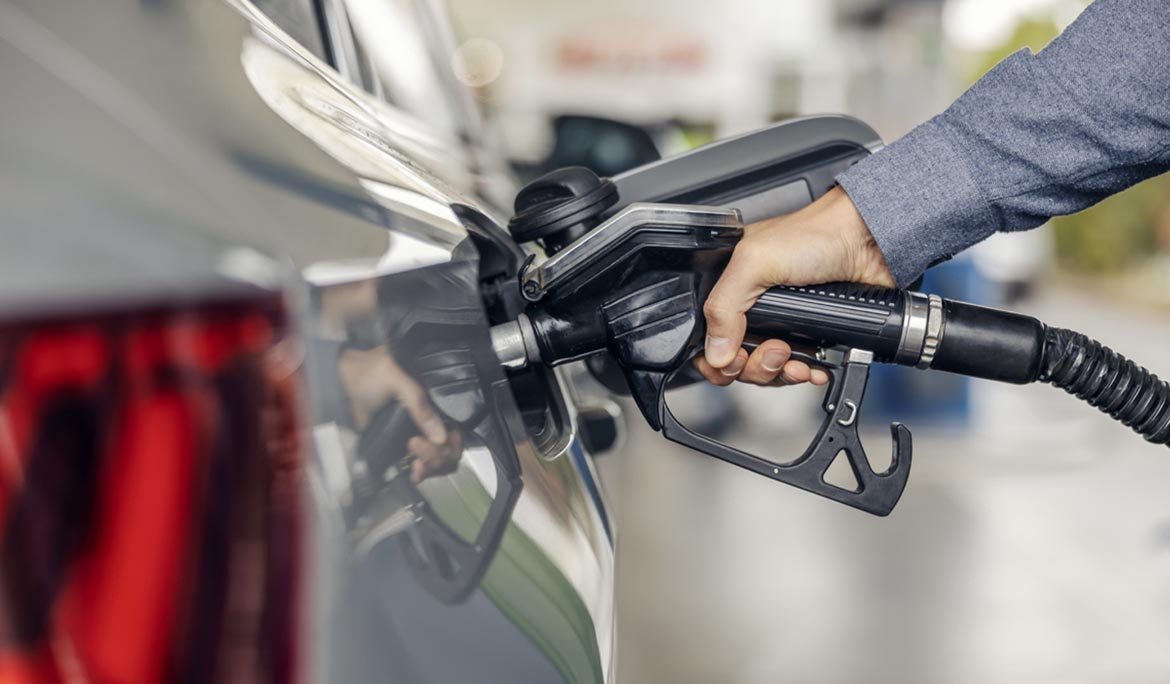
The criteria people consider when renting a car have changed over the years. While comfort and appearance used to be the top priorities, fuel efficiency now tops the list. Rising gas prices directly impact budgets for both short-term vacation rentals and long-term corporate leases. In this article, we’ll discuss how to evaluate fuel efficiency when making a car rental decision in 2025 and which vehicle types will truly help you save money.

When purchasing a vehicle, fuel consumption is a long-term cost factor; with rentals, however, this impact is felt much more quickly. Especially for vacation rentals lasting just a few days or weekly business trips, the difference between a fuel-efficient vehicle and a high-consumption one can even amount to nearly the entire rental cost. For this reason, engine displacement, transmission type, and usage scenarios should all be evaluated together when selecting a vehicle.
The table below summarizes examples of standout models and their average fuel consumption values across different usage scenarios.
|
Model |
Engine / Type |
Ideal Usage |
Average Fuel Consumption |
|
Peugeot 208 |
1.2 PureTech (Gasoline) |
City driving, short distances |
~4.1 L/100 km |
|
Opel Corsa |
1.2 (Gasoline) |
City driving |
~4.3 L/100 km |
|
Toyota Yaris Hybrid |
1.5 Hybrid |
Heavy city traffic |
~3.7–3.9 L/100 km |
|
Hyundai Ioniq Hybrid |
1.6 GDI Hybrid |
Mixed driving |
~4.0 L/100 km |
|
Fiat Egea Sedan |
1.6 Multijet (Diesel) |
Long-distance, intercity |
~4.5–4.7 L/100 km |
|
Renault Megane |
1.5 Blue dCi (Diesel) |
Highway |
~4.6–4.7 L/100 km |
|
Peugeot 208 EAT8 |
1.5 BlueHDi (Automatic Diesel) |
Comfortable mixed driving |
~4.1 L/100 km |
|
|
|
|
|
Compact City Cars
Compact cars with small-displacement engines are the segment that offers the lowest fuel consumption for short-distance city driving. Models like the Peugeot 208 and Opel Corsa stand out in this segment, offering average fuel consumption of around 4–4.3 liters per 100 km with their 1.2-liter engines. Thanks to their lightweight bodies and low drag coefficients, they maintain reasonable fuel economy even in stop-and-go traffic. Whether for business trips hopping from meeting to meeting in the city center or for sightseeing tours during vacations, these types of vehicles stand out for both their ease of parking and fuel efficiency.
Hybrid Models
Hybrid vehicles offer a significant advantage in stop-and-go traffic, particularly thanks to the electric motor kicking in at low speeds. The Toyota Yaris Hybrid is one of the segment’s top performers, with fuel consumption as low as approximately 3.7–3.9 liters per 100 km. The Hyundai Ioniq Hybrid also delivers similar performance with an average fuel consumption of about 4 liters. If you’ll be driving in heavy city traffic, renting a hybrid vehicle can significantly reduce your fuel costs. Plus, its quiet operation provides an extra layer of comfort for drivers who spend long hours behind the wheel.
Diesel Vehicles
If you’re planning trips that involve mostly long-distance driving, diesel-powered vehicles remain a strong alternative. Models such as the Fiat Egea Sedan and Renault Megane, equipped with 1.5- to 1.6-liter diesel engines, offer an average fuel consumption of 4.5–4.7 liters per 100 km. This type of engine, which delivers low fuel consumption at a steady speed, remains one of the preferred options for intercity vacation routes or long-distance business trips.
Automatic Transmission Vehicles
In the past, vehicles with automatic transmissions were considered less fuel-efficient; however, new-generation smart transmission technologies have reversed this perception. For example, the Peugeot 208 model equipped with a 1.5 BlueHDi engine and an 8-speed fully automatic transmission (EAT8) offers both comfort and fuel efficiency with a fuel consumption of approximately 4.1 liters. Today’s automatic rental cars provide both comfort and low fuel consumption by shifting gears at optimal RPM. They are an attractive option, especially for drivers seeking ease of driving in heavy traffic.
- Clearly define your usage scenario: Are you planning to drive in the city, on the highway, or a mix of both? The answer to this question determines which engine and transmission type will be more economical for you.
- Choose the vehicle segment based on your needs: Renting a vehicle that’s larger or heavier than necessary means paying extra for fuel you won’t use.
- Be mindful of your driving habits: Sudden acceleration and hard braking significantly increase fuel consumption, even in rental cars. A smooth, steady driving style is one of the simplest ways to reduce your fuel costs.
- Plan your route in advance: Especially for vacation rentals, planning your route ahead of time saves both time and fuel.
- Check your tire pressure: Making sure your tire pressure is at the correct level before renting is a small but effective way to save money.
Choosing a fuel-efficient rental car isn’t just about looking at the fuel economy figures in the catalog. By accurately analyzing your purpose, route, and driving style, the segment you choose can make a real difference that reflects directly on your budget. In 2025, it’s possible to find economical rental options across a wide range—from compact city cars to hybrid models, and from diesel options to vehicles with smart automatic transmissions.
By making fuel efficiency one of your top priorities when planning your trip, you can make a choice that protects both your wallet and the environment.
Fleet management is an issue that operates behind the scenes for most businesses but has a profound impact on the budget. When maintenance costs added to the purchase price, insurance premiums that renew year after year, the depreciation incurred when the vehicle is disposed of, and the time allocated to managing these processes are all taken into account, resources that should be directed toward the company’s growth are inadvertently diverted elsewhere. DRD Fleet Leasing transforms this complex cost structure into a simple and predictable monthly payment plan, allowing you to redirect your capital toward areas that create real value; throughout this process, your company’s professional image remains strong with vehicles equipped with the latest technology.
Since lease payments are treated as operating expenses in long-term vehicle leasing, you benefit from tax advantages; your balance sheet also gains a lighter structure, independent of depreciating fixed assets. Furthermore, all responsibilities associated with vehicle ownership—from routine maintenance scheduling and tire changes to damage claims tracking and insurance procedures—are handled on your behalf. This ensures your team’s time is spent on matters that grow your business rather than vehicle-related tasks, and your daily operations proceed seamlessly.
Regardless of your industry, fleet size, or business model, it’s possible to create a leasing plan that perfectly fits your needs. With our extensive vehicle portfolio and flexible, industry-specific package options, all you need to do to determine the best fit for you is contact us through the “Request an offer” page.