
Vehicle Maintenance Before a Long Trip
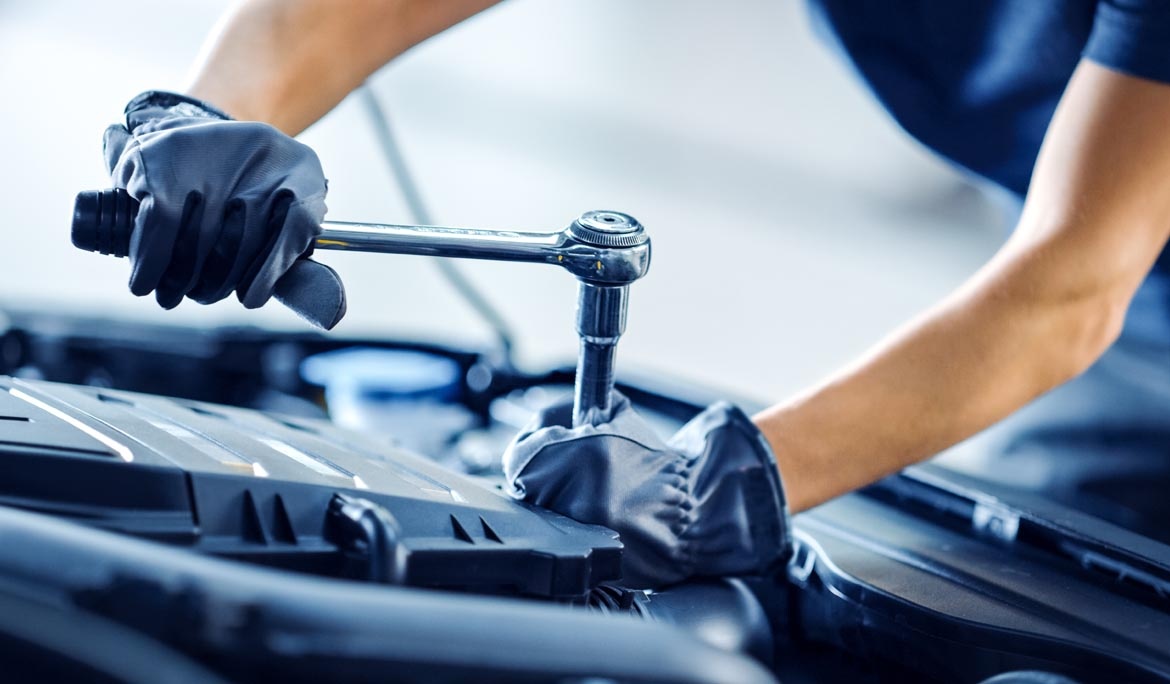
Embarking on a long trip isn’t just about packing your bags. Getting your vehicle road-ready is crucial for the safety, comfort, and enjoyment of both you and your passengers. The vast majority of breakdowns encountered on the road can be easily prevented with simple checks and maintenance performed beforehand.
In this guide, we cover the procedures you should have performed at a service center before a long trip, the checks you can perform yourself at home, and the rules you should follow while driving—all presented with comprehensive tables and step-by-step explanations.
"A thorough maintenance check before long trips offers significant benefits—both financially and in terms of safety."
It is extremely important to take your vehicle to an authorized service center for a professional inspection before setting out on a long trip. An expert technician will thoroughly inspect the engine, brake system, suspension, tires, and all electrical components to identify potential issues in advance. It is known that vehicles whose routine maintenance is neglected can consume up to 30% more fuel, and the risk of breakdowns increases significantly.
The table below summarizes the key items you should have checked at the service center, why each is important, and the risks that may arise if they are neglected:
|
Maintenance Item |
Why Is It Important? |
Risk / Consequence |
|
Engine Oil Check / Change |
Ensures proper lubrication of the engine; improves performance |
Engine wear, malfunction |
|
Transmission Fluid Check |
Ensures smooth gear shifts |
Stiff shifting, damage |
|
Brake System Inspection |
Ensures safety during sudden braking |
Longer braking distance, accident |
|
Tire Condition and Air Pressure |
Directly affects traction and fuel efficiency |
Skidding, high fuel consumption |
|
Coolant / Antifreeze |
Protects the engine from overheating and freezing |
Overheating, engine damage |
|
Air and Oil Filters |
Ensures clean fuel combustion and proper engine ventilation |
Performance loss |
|
Fuel Filter |
Ensures the engine runs on clean fuel |
Engine stalling, loss of power |
|
Pollen Filter |
Maintains interior air quality and air conditioning efficiency |
Bad odors, fogging |
|
Headlight Alignment and Lighting |
Ensures safe visibility at night and in poor weather conditions |
Loss of visibility, accidents |
|
Wheel Alignment, Balancing, and Front Suspension |
Ensures steering control and proper handling |
Pulling to one side, tire wear |
|
V-Belt / Timing Belt |
A broken engine belt can cause sudden failure |
Engine damage, being stranded |
|
Battery and Charging System |
It is the essential power source for the vehicle to operate |
Failure to start, breaking down |
|
Spark Plugs and Ignition System |
Directly affects fuel efficiency and engine torque |
Fuel waste, loss of power |
|
Air Conditioning Refrigerant Pressure |
Provides comfortable and efficient cooling |
Inefficient cooling, system damage |
|
Windshield Wipers |
Keeps the field of vision clear in rainy weather |
Poor visibility increases the risk of accidents |
|
Gauges and Fuses |
It is especially critical that the temperature and fuel gauges function properly |
Failures detected too late |
Engine Oil and Filter Check
Engine oil is essential for the system to operate properly and ensure a long service life. If it has been 1 year or 10,000 km since the last oil change, be sure to have it changed. Using oil with the wrong viscosity (for example, using 10W-30 instead of the recommended 5W-30) accelerates engine wear. As the oil filter becomes dirty, it can no longer trap harmful particles, leading to premature engine wear.
Brake System
Brakes are the most critical component of driving safety. Worn brake pads and rotors significantly increase stopping distance, which poses a life-threatening risk, especially at high speeds. Checking the brake fluid level and inspecting for leaks should not be neglected. If you hear excessive squealing from the wheels or feel the brake pedal becoming stiff, do not delay taking your vehicle in for service.
Tires and Front Suspension Alignment
Tires are the only point of contact between the vehicle and the road. Tires that are more than five years old or have a tread depth below 1.6 mm must be replaced immediately. Driving with tires that have bulges or cuts poses a major risk. Wheel alignment and balancing directly affect both steering control and fuel efficiency; they also prevent uneven tire wear.
Electrical and Electronic Systems
Headlights, turn signals, brake lights, and the battery are the cornerstones of safety, especially during nighttime drives and in poor weather conditions. Burned-out bulbs should be replaced, and the battery should be replaced if there is a charging issue. Improperly aligned headlights not only limit your own visibility but also blind oncoming drivers. Spark plugs and the ignition system also have a direct impact on fuel efficiency.
Checks You Can Do Yourself
In addition to professional service maintenance, there are some basic checks you can perform on your own before a trip. These checks offer advantages in terms of both time and cost; moreover, they can help prevent major accidents or unexpected breakdowns.
|
Check |
How to Do It? |
|
Visual tire inspection |
Visually inspect for bulges, cuts, wear, and tread depth (min. 1.6 mm) |
|
Tire pressure |
Inflate using a pump according to the values on the label inside the driver’s door |
|
Spare Tire |
Make sure it is fully inflated and in good condition; ensure that a jack and lug wrench are in the vehicle |
|
Engine oil level |
Pull out the dipstick, wipe it off, reinsert it, and pull it out again. The oil level should reach the midpoint |
|
Windshield washer fluid |
Check the level in the reservoir; add distilled water if necessary |
|
Headlights and turn signals |
Turn on all lights one by one to check that they are working properly and are properly aligned |
|
Seat belts |
For each seat, pull the seatbelt manually to ensure the mechanism is locked |
|
First aid and emergency kit |
Check the fire extinguisher, reflector, high-visibility vest, bandages, and flashlight |
|
Official documents |
Driver’s license, vehicle registration, insurance policy, and vehicle inspection certificate must be complete |
|
Interior and exterior cleaning |
Clean the windows, mirrors, and headlight surfaces; remove any obstructions to visibility |
|
Fuel level |
Fill up the tank before setting out; plan your route to include gas stations |
|
Test drive |
Drive for 10–15 minutes; check for any unusual noises, vibrations, odors, or warning lights |
Important Note on Tire Pressure
Every vehicle has its own specific tire pressure values, which are listed on the label inside the driver’s door or in the owner’s manual. Summer and winter pressure values differ; thermal expansion caused by temperature makes the summer value approximately 5 psi higher than the winter value. If all tires are underinflated by 10 psi, fuel efficiency can drop by up to 10 percent.
How Do You Check the Engine Oil Level Yourself?
To check the engine oil level, park the vehicle on a level surface and turn off the engine. Wait a few minutes, then pull out the dipstick (usually yellow or red) and wipe it with a clean cloth. When you reinsert and pull out the dipstick again, the oil level should reach the midpoint between the “min” and “max” marks. If it’s low, add the oil recommended by the manufacturer.
After completing all preparations, we recommend taking a short 10–15-minute test drive before hitting the road. Vehicle malfunctions usually become apparent within the first 30 minutes. After the test drive, pay attention to the following:
- Open the hood and listen to the engine’s operating sound.
- Check for oil spray, a burning smell, or smoke.
- If you notice any unusual vibrations, noises, or warning lights while driving, visit a service center before setting out.
- Make sure the brakes, steering, and gear shifts feel normal.
No matter how well the vehicle is prepared, the driver’s alertness and adherence to traffic rules directly determine the safety of the trip. The table below summarizes the basic rules to follow during long-distance driving:
|
Rule |
Explanation |
|
Maximum driving time |
Drive for no more than 4 hours continuously; then take a break of at least 30 minutes |
|
Daily driving limit |
Do not spend more than 8 hours behind the wheel in a single day |
|
Trips longer than 8 hours |
Take turns driving with a backup driver; if that’s not possible, stop at a hotel or motel |
|
Night driving |
Avoid it as much as possible; opt for daytime travel |
|
Conditions for hitting the road |
Never get behind the wheel if you’re sleep-deprived, tired, or under the influence of alcohol |
|
Navigation |
Use the app you’re familiar with; slow down at turns to avoid late detection |
|
Fueling |
Plan your stops along the route in advance; choose familiar and reliable locations |
|
|
|
Being prepared for emergencies is crucial for the safety of both you and other drivers on the road. Make sure your vehicle is fully stocked with the following items:
Mandatory Safety Equipment
- Reflector (triangle)
- Fire extinguisher
- High-visibility/yellow safety vest
- First aid kit (bandages, antiseptic, etc.)
- Spare tire, jack, and lug wrench
- Tow rope
- Portable tire pump and jumper cables
- Spare headlight bulb and fuse
Practical Comfort Items
- Navigation app or up-to-date road map
- Fully charged power bank
- Phone mount
- Supply of water and snacks
- Sunglasses
- Neck and lumbar pillows (for long trips)
- Hand sanitizer and trash bag
Safety equipment for international travel may vary by country. Research the traffic laws of your destination country in advance.
Summer Travel
- Check the air conditioning system and gas pressure.
- The coolant (antifreeze) level is especially critical during summer heat; it prevents the risk of overheating.
- Add a cleaning additive to your windshield washer fluid to remove insects stuck to the windshield.
- Adjust tire pressure to summer levels; do not overinflate.
Winter Travel
- Using winter tires is important for both safety and legal compliance.
- Check that the antifreeze concentration is sufficient; this prevents the radiator from freezing in cold weather.
- Tire pressure drops in cold weather; check it beforehand.
- Make sure your windshield wipers are working properly and that you’re using de-icing windshield washer fluid.
You can quickly verify that you’re ready for your trip by checking off the following items:
- Professional maintenance was performed at a service center
- Engine oil level checked / changed
- Brake system and brake fluid checked
- The tire pressure has been adjusted on all tires
- A spare tire, jack, and lug wrench are available in the vehicle
- Wheel alignment and balancing have been performed
- Headlights, turn signals, and brake lights are working
- The battery and charging system have been checked
- Coolant/antifreeze level is sufficient
- Windshield wipers and washer fluid have been checked
- Pollen and air filters were replaced
- The air conditioning system is working
- Seat belts were manually checked
- First aid and emergency supplies are fully stocked in the vehicle
- Official documents (driver’s license, registration, insurance) are with me
- The gas tank is full
- The navigation app has been tested
- A 10- to 15-minute test drive was conducted
"A well-prepared vehicle and an alert driver are the two most fundamental requirements for a safe, comfortable, and enjoyable journey."
While building a fleet may seem at first glance to be simply a matter of procuring vehicles, it is actually a complex process that shapes a company’s financial structure in the long term. When the cost of vehicle acquisition, periodic maintenance expenses, comprehensive and liability insurance, depreciation in the used car market, and the need for staff to manage these processes are all factored in, the budget that should be allocated to the company’s core growth areas can dwindle without anyone noticing. This is precisely where DRD Fleet Leasing steps in, converting all these variable and unpredictable expenses into a single, fixed, and predictable monthly payment; this allows you to redirect your company’s resources toward strategic investments while also strengthening your corporate image with a modern and well-maintained fleet.
When you opt for long-term vehicle leasing, the lease payments are fully accounted for as expenses; this reduces your tax burden while keeping your balance sheet free of fixed assets that depreciate over time. Furthermore, every operational detail required by the fleet—from maintenance scheduling to tire changes, and from post-accident process management to insurance procedures—is handled on your behalf. As a result, your team’s time and attention are focused on matters directly related to your business’s growth—rather than on side tasks like vehicle management—and daily operations run seamlessly and without interruption.
Regardless of your business’s industry, fleet size, or operational needs, it is entirely possible to establish a leasing structure tailored specifically to you. With a diverse range of vehicle options and flexible packages designed to meet the unique demands of various industries, all you need to do to find the solution that best fits your needs is to contact us through the “Request a Quote” page.