
What Can You Do to Reduce Your Vehicle's Fuel Consumption?
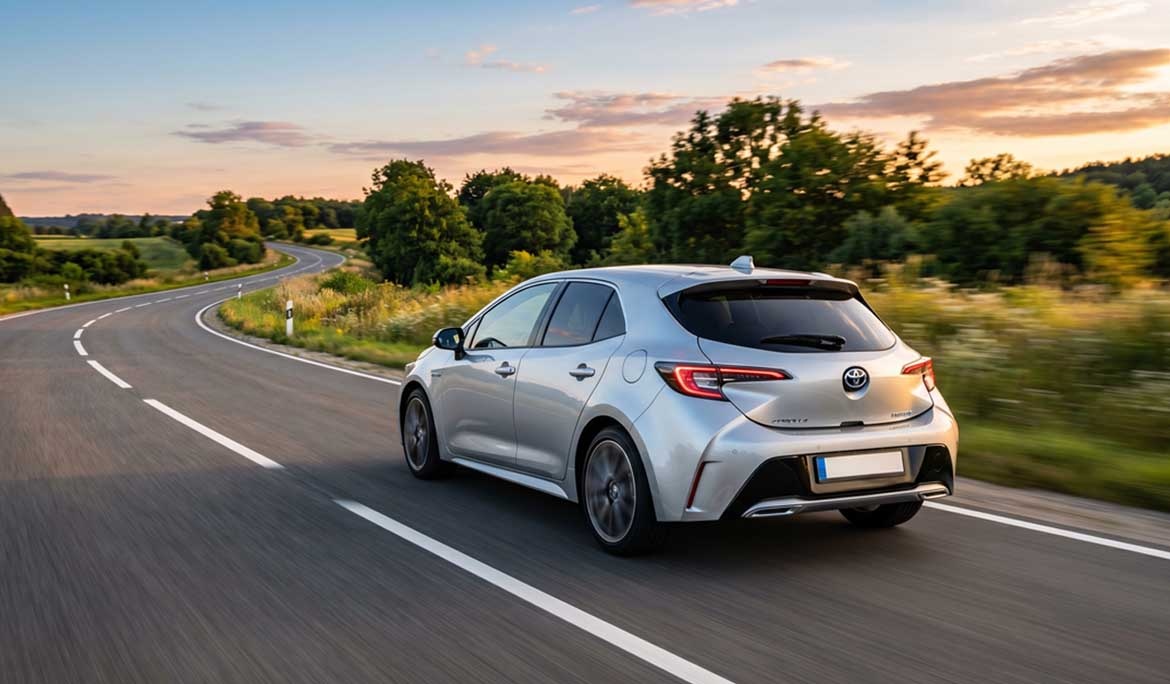
A Comprehensive Fuel-Saving Guide for Car Owners
Owning a car is a significant financial responsibility in and of itself. However, the real expenses continue after you purchase the vehicle. Fuel costs account for a significant portion of many drivers’ budgets, and this trend is becoming more pronounced with each passing day.
Here’s the good news: By adopting the right habits and taking a few simple steps, you can reduce your vehicle’s fuel consumption by up to 25 percent. In this guide, we’ll walk you through some surprisingly effective methods step by step.
“By making a few small changes to your driving habits, you can both protect your budget and help the environment.”
Aşağıdaki tablo, en yaygın yakıt tüketim artışı nedenlerini ve çözümlerini özetlemektedir:
|
Yakıt Tüketimini Artıran Faktör |
Tüketim Artışı |
Çözüm |
|
Düşük lastik basıncı (10 psi eksik) |
%10'a kadar artış |
Haftalık basınç kontrolü |
|
Periyodik bakım ihmali |
%30'a kadar artış |
Zamanında bakım yaptırın |
|
Saatte 110 km hız |
%25'e kadar artış |
50–90 km/s aralığında gidin |
|
Gereksiz ağırlık (50 kg başına) |
%1.5–2 artış |
Bagajı boşaltın |
|
Rölantide bekleme (3L motor, 10 dk) |
~300 ml yakıt |
Motoru kapatın |
|
Açık camla sürüş |
Aerodinamik kayıp |
Camları kapalı tutun |
Aşağıdaki sekiz alan, yakıt tüketiminizi en doğrudan etkileyen konulardır:
|
🔧 Düzenli Bakım |
🚗 Sabit Hız |
🛞 Lastik Basıncı |
❄️ Klima Kontrolü |
|
⚡ Kaliteli Yakıt |
🏋️ Bagajı Boşalt |
🪟 Camları Kapat |
⏱️ Rölantiyi Azalt |
Regular vehicle maintenance is the cornerstone of fuel economy. It is well known that vehicles with neglected maintenance consume up to 30 percent more fuel. When all of your vehicle’s components work in harmony, engine efficiency is at its highest; any malfunction or wear and tear, however, causes the system to consume more energy.
Key Points to Consider During Maintenance
- Engine oil change: Use oil of the recommended quality and viscosity for your vehicle. Oil with the wrong viscosity accelerates engine wear and increases fuel consumption.
- Air and fuel filters: Clogged filters restrict the flow of air and fuel to the engine, leading to inefficient combustion.
- Spark plugs and ignition system: A faulty ignition system prevents fuel from burning completely.
- Clutch and engine inspection: Worn parts cause the vehicle to consume more power than necessary.
- Fuel leaks: Especially in older vehicles, fuel leaks lead to direct fuel loss; this can be prevented with periodic inspections.
Araç kullanma biçiminiz, yakıt tüketimini doğrudan etkileyen en kritik faktörlerden biridir. Agresif sürüş alışkanlıklarından vazgeçmek, tek başına kayda değer bir tasarruf sağlayabilir.
Hız ve Hızlanma
Araç hızı ile yakıt tüketimi arasında doğrudan bir ilişki vardır. Saatte 100 km hızla seyreden bir araç yaklaşık yüzde 15, saatte 110 km hızla seyreden ise yaklaşık yüzde 25 daha fazla yakıt tüketmektedir. En verimli sürüş aralığı saatte 50 ila 90 km arasıdır. Bu aralıkta motorun devri optimum düzeyde çalışır.
Dikkat edilmesi gerekenler:
- Ani ve sert gaz vermekten kaçının; kademeli ve yumuşak hızlanma yapın.
- Yokuş yukarı çıkarken hızlanmaya çalışmayın; yokuş aşağıda kazandığınız ivmeden yararlanın.
- Hız sabitleyici kullanmak, otoyollarda sabit hız korumanıza yardımcı olur.
Fren Yönetimi ve Dur-Kalk
Her fren kullanımından sonra araç yeniden hız kazanmak zorunda kalır ve bu süreç ekstra yakıt gerektirir. Özellikle şehir içi trafiğinde dur-kalk sıklığını azaltmak, önemli tasarruf sağlar.
- Önünüzdeki araçla yeterli takip mesafesi bırakarak 'süzülerek yavaşlama' tekniğini benimseyin.
- Trafik akışını önceden okuyarak ani frenlerden kaçının.
- Her 18 saniyede bir hızı 10 km/s düşürmek, yakıt tüketimini yüzde 20'ye kadar artırabilir.
Doğru Vites Kullanımı
Manuel araçlarda yanlış vites seçimi yakıt israfına neden olur. Düşük viteste yüksek hıza çıkmaya çalışmak motoru zorlar ve yakıt tüketimini artırır. Her hız aralığında uygun vitesi kullanmak, motorun gereksiz yük taşımasını önler.
Lastikler, araç ile yol arasındaki tek temas noktasıdır ve yakıt verimliliği üzerinde doğrudan etkisi vardır. Yetersiz şişirilmiş lastikler yüzünden yakıt verimliliği yüzde 10'a kadar düşebilir.
- Lastik hava basıncını üreticinin önerdiği değerde tutun; bu değerler genellikle araç kapısı iç yüzeyindeki etikette veya kullanım kılavuzunda yer alır.
- Tüm lastiklerin 10 psi düşük şişirilmesi yakıt verimliliğini yüzde 10 oranında azaltabilir.
- Haftalık düzenli kontrol ile bu kayıpların önüne geçebilirsiniz.
- Rot ayarı ve balans bozukluğu hem yakıt tüketimini artırır hem de sürüş güvenliğini olumsuz etkiler.
- Aşınan lastikler sürtünme direncini artırır; zamanında değişimi ihmal etmeyin.
Klima kompresörü çalışırken motorun yükü artar ve bu durum doğrudan yakıt tüketimine yansır. Ancak bu, klimayı hiç kullanmamamız gerektiği anlamına gelmez.
Akıllı klima kullanımı için öneriler:
- Saatte 80 km'nin altında seyrederken klima açmak motora fazladan yük bindirir; bu hızın altında pencereyi hafifçe açmak tercih edilebilir.
- Saatte 80 km'nin üzerinde ise açık pencere aerodinamik direnç yaratır; bu durumda klima kullanmak daha verimlidir.
- Otomatik klima sistemleri, sabit sıcaklığa ulaştığında kompresörü düşük kapasitede çalıştırarak daha tasarruflu çalışır.
- Manuel klimayı sürekli açık-kapalı konuma getirmek yerine sabit, orta bir kademede tutun.
- Klima bakımını düzenli yaptırın; verimsiz çalışan bir kompresör daha fazla enerji tüketir.
Even if the vehicle isn’t moving while the engine is running, fuel consumption continues. A three-liter engine consumes approximately 300 milliliters of fuel for every 10 minutes it idles. A vehicle that idles for one hour consumes at least 1 liter of fuel.
- It is recommended that you turn off the engine during stops longer than one minute.
- Do not leave the engine running when you plan to wait with the vehicle parked.
- In cold weather, instead of warming up the engine by letting it run in place, drive slowly to allow it to warm up.
Araç ne kadar ağır olursa, hareket etmek için o kadar fazla güce ihtiyaç duyar. Her 50 kilogram ek yük, yakıt ekonomisini yüzde 1.5 ila 2 oranında düşürmektedir.
- Bagajda sürekli taşıdığınız gereksiz eşyaları çıkarın.
- Yolculuk dışında araç üstünde port bagaj taşımayın; bu hem ağırlık hem de aerodinamik direnç yaratır.
- Yaklaşık 100 kilogram ağırlığındaki bir yük, yakıt tüketimini yüzde 1–2 artırır.
Yakıtın ve motor yağının kalitesi, motorun çalışma verimliliğini ve uzun vadeli sağlığını doğrudan etkiler. Kısa vadede ucuz görünen seçenekler, uzun vadede daha yüksek maliyetlere yol açabilir.
- Araç üreticinizin önerdiği yakıt türünü ve kalitesini kullanın.
- Düşük kaliteli yakıtlar motor parçalarında erken aşınmaya ve performans kaybına neden olabilir.
- Motor yağı seçiminde aracınıza önerilen viskoziteye dikkat edin; yanlış viskozite motor aşınmasını hızlandırır.
- Önerilen motor yağını kullanmak, yakıt verimliliğini yüzde 1–2 artırabilir.
Short trips and driving before the engine has warmed up are when fuel consumption is highest. Fuel efficiency drops significantly on trips shorter than five kilometers.
- Combine your short errands and take care of them all in a single trip.
- Follow traffic reports to avoid peak traffic hours.
- If possible, choose highways; this reduces the number of red lights and stop-and-go traffic.
- Plan your route in advance to avoid unnecessary backtracking.
Cold weather is a major factor that increases a vehicle’s fuel consumption. Since low temperatures make the air denser, the vehicle encounters greater resistance as it moves. In addition, cold weather lowers tire pressure and causes the engine to work harder to warm up, which also increases fuel consumption.
- Check your tire pressure more often during the winter months; cold weather lowers tire pressure.
- Using winter tires improves safety; choosing the right tires also helps balance fuel consumption.
- Plan your drives more carefully during the winter months, when the use of the heating system and headlights increases.
Remember: The most fuel-efficient driver is the one who manages their vehicle best—both technically and in terms of driving habits.
There’s a reality that companies often fail to recognize: owning a vehicle doesn’t end with just purchasing it. When you add maintenance costs, renewing insurance policies, the vehicle’s depreciating value over the years, and the administrative effort required to manage all these processes to the purchase price, resources that should actually be channeled toward the company’s growth may be draining away through invisible channels. DRD Fleet Leasing simplifies this complex cost structure into a single, fixed, and predictable monthly payment, allowing you to redirect your capital to areas that will propel your company forward; throughout this process, your corporate image remains strong thanks to the up-to-date vehicles in your fleet.
Long-term vehicle leasing offers tax advantages since lease payments are treated directly as expenses; your balance sheet is also freed from the burden of depreciating assets. In addition, all technical and administrative obligations associated with the vehicle—from regular maintenance to tire replacement, and from damage tracking to insurance management—are handled on your behalf. As a result, your team’s focus shifts from managing vehicles to the core growth areas of your business, and your operations continue without any disruptions.
Regardless of your company’s industry, size, or operational style, it’s possible to create a leasing model tailored exactly to your needs. With a wide selection of vehicles and flexible package options designed to meet the unique needs of various industries, all you need to do to find the solution that best suits you is contact us via the Get a Quote page.