
What Does Comprehensive Auto Insurance Cover? Under What Circumstances Does It Pay Out?
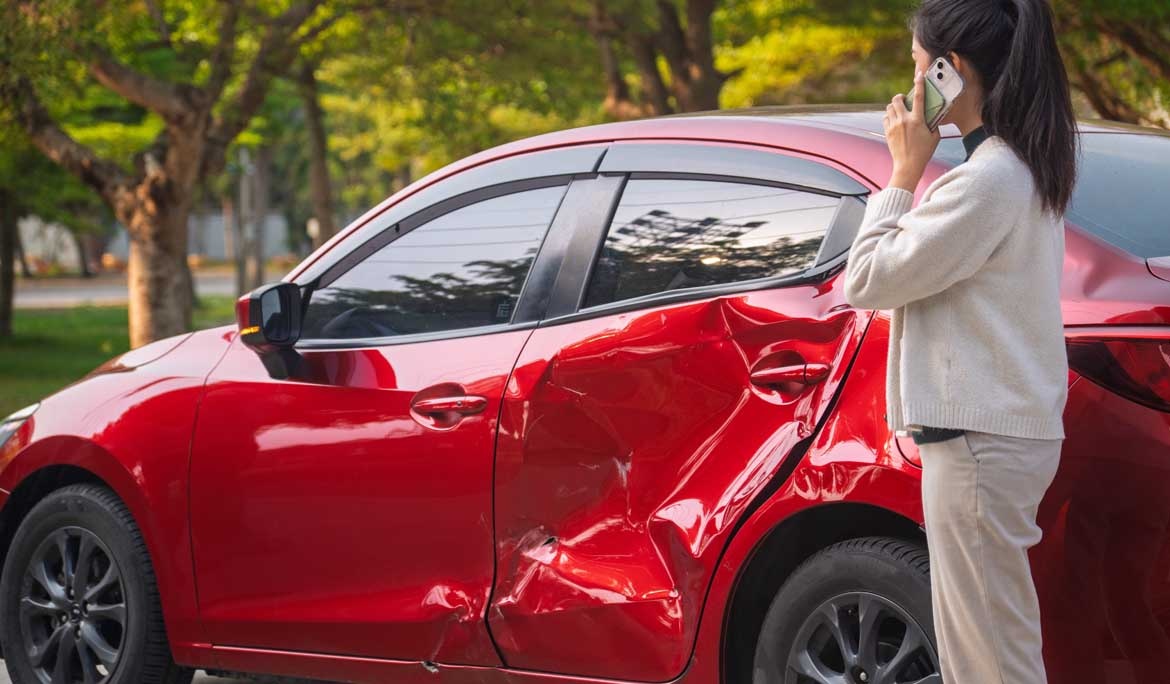
The vast majority of vehicle owners consider it sufficient to have only mandatory liability insurance. However, liability insurance only covers damages caused to the other party—not damage to your own vehicle. This is where comprehensive auto insurance comes into play, providing you with a much more comprehensive safety net.
In this guide, we cover in detail what comprehensive auto insurance is, what risks it covers, under what circumstances it does not pay out, and how the claims process works.

Comprehensive auto insurance is a non-mandatory but extremely important type of insurance that protects your vehicle against risks it may face while on the road or while parked. It covers property damage to your vehicle resulting from unexpected events such as collisions, crashes, theft, fire, and natural disasters.
Typically valid for one year from the policy’s start date, comprehensive insurance varies depending on the coverage it includes and the scope of protection. Vehicle owners have the freedom to choose a policy with either limited or extensive coverage based on their needs.
It is a common mistake to confuse these two types of insurance. The table below clearly outlines the key differences between them:
Coverage Comprehensive Auto Insurance Liability Insurance
Covers damage to your own vehicle ✔ Yes ✘ No
Covers damage to the other party ✔ Yes (with IMM) ✔ Yes (limited)
Theft ✔ Yes ✘ No
Natural disasters (earthquake, flood) ✔ Yes ✘ No
Fire ✔ Yes ✘ No
Protection in at-fault accidents ✔ Yes ✘ No
Roadside assistance / replacement vehicle ✔ Yes (depending on the policy) ✘ No
Mandatory ✘ Not mandatory ✔ Mandatory
Traffic insurance covers only damages caused to third parties, and as of 2026, the property damage limit per vehicle has been set at 400,000 TL. When this limit is exceeded, the Optional Financial Liability (OFL) coverage in the comprehensive insurance policy kicks in to cover the difference.
Comprehensive insurance offers a very wide range of coverage depending on the policy. You can see most of the standard and additional coverages in the table below:
Coverage Coverage
Collision and impact Overturning, falling, rolling
Fire Theft
Theft resulting from the theft of the original key Loss of keys
Malicious acts Terrorism
Earthquake Flood and water damage
Towing of the vehicle by unauthorized persons Damage caused by cigarettes and similar substances
Rodent coverage No-claims protection
Optional liability coverage (OLC) Passenger accident coverage
Glass coverage Lock system coverage
Emergency medical ambulance service Legal protection
Minor repair service Roadside assistance service
Replacement vehicle coverage Loss of use coverage
No depreciation deduction Inflation coverage
Not all of these coverages may be included in every policy. A basic comprehensive insurance policy covers only collisions, while extended comprehensive policies include most of the items on the list above. Be sure to check which coverages are included before purchasing your policy.
If your vehicle collides with another vehicle or object while on the road or parked, your comprehensive auto insurance will cover the damage. Single-vehicle accidents—such as your vehicle hitting a barrier, wall, or pole—are generally covered as well.
However, there are some important points to note:
- Intentional damage to the policyholder’s own vehicle is excluded from comprehensive coverage.
- In single-vehicle accidents, it is mandatory to call the traffic police to have an accident report filed.
- Violations such as driving under the influence of alcohol may result in a denial of payment.
- The accident report must include details of the accident, the driver’s alcohol status, and the nature of the incident.
4.2 Even If You Are 100% at Fault in an Accident
One of the most important advantages of comprehensive auto insurance is that it covers damage to your own vehicle even if you are entirely at fault in the accident. While your liability insurance covers the other party’s damages, your comprehensive insurance continues to protect your vehicle. The degree of fault does not prevent a comprehensive insurance payout.
4.3 Vehicle Theft
Theft is one of the main coverages under comprehensive insurance. Financial losses resulting from the theft of your vehicle are covered under the policy. However, in some cases, compensation may not be paid if the insured’s degree of fault is deemed high (see Section 5).
4.4 Vehicle Fire
Fire damage to your vehicle is also among the basic coverages. Fires not caused by the insured’s negligence or lack of maintenance are covered. The steps to take during and after a fire are as follows:
- Without panicking, move the vehicle to a safe location and turn off the ignition.
- Evacuate all passengers from the vehicle; do not allow anyone to re-enter the vehicle.
- Do not open the hood or doors; airflow will fuel the fire.
- Notify the fire department.
- Take photos and videos of the burning vehicle from all angles.
- File a claim with the insurance company within 5 business days of the incident to initiate the damage assessment process.
4.5 Natural Disasters
If your vehicle is damaged due to natural disasters such as earthquakes, floods, or flash floods, your comprehensive auto insurance will cover these damages. This coverage is particularly important for those living in regions of our country with high risks of earthquakes and floods.
4.6 Third-Party Damage: Optional Liability Coverage (OLC)
Under normal circumstances, comprehensive insurance only covers damage to your own vehicle. However, in cases where the limits of mandatory third-party liability insurance (400,000 TL per vehicle for 2026) are exceeded, the VLI coverage in your policy kicks in to cover the excess. This coverage provides significant financial protection, especially when damage is caused to high-value vehicles.
Comprehensive insurance does not cover every situation. In the following circumstances, a payout may not be made, or the process may take on a legal dimension because the insured party’s fault may be deemed significant:
5.1 Cases Excluded Under the Theft Exclusion
- If the vehicle is stolen as a result of the keys being stolen or left in the ignition
- If the vehicle is stolen because the doors or windows were left open
- If the vehicle is stolen after the keys were handed over to a parking attendant at a parking lot with clearly defined boundaries and an address
- If the vehicle is stolen after being left with a municipal parking attendant
- If the vehicle is stolen by individuals taking it for a test drive
- If the key is given to individuals posing as parking attendants at places such as bars or nightclubs
5.2 Damage Resulting from Neglect of Maintenance
Any damage resulting from the vehicle owner’s failure to perform routine maintenance is excluded from comprehensive coverage:
- Engine failures caused by lack of oil, lack of coolant, or freezing
- Mechanical breakdowns resulting from rust, corrosion, or wear and tear
- Engine fires resulting from neglect of maintenance
- Battery damage (unless otherwise specified in the policy)
5.3 Other Exclusions
- Intentional damage to the insured’s own vehicle
- Accidents occurring while driving under the influence of alcohol or drugs
- Mechanical, electrical, and electronic malfunctions not covered by the policy
Since these exclusions are listed in the policy, it is crucial that you read your comprehensive insurance policy carefully both before and after purchase.
When a claim occurs, you must notify the insurance company and visit an authorized service center. The payment process works as follows:
Stage Duration
Deadline for filing a claim with the insurance company (fire) No later than 5 business days
Claim/compensation assessment (notification from the company) No later than 15 business days
Typical payment period: 10–15 days
Legal maximum payment period: 45 business days
The payment process begins once the damage has been assessed and the expert report is completed. Insurance companies are generally required to complete payment within 45 business days. In practice, however, most payments are made within 10–15 days.
7.1 Basic Comprehensive Insurance
Provides protection against basic risks. It may not cover primary risks such as collisions and crashes; it primarily covers situations like theft, fire, and natural disasters. It is an economical option for vehicle owners with budget constraints.
7.2 Extended Comprehensive Coverage
It offers a much more comprehensive protection package. The following coverages, which are not included in a basic comprehensive policy, can be added with extended comprehensive coverage:
- Collisions and crashes
- Unauthorized towing and being towed
- Key loss
- Optional liability coverage (OLC)
- Rodent damage coverage
- Seat accident coverage
- Overseas coverage
- Market value coverage
8.1 Market Value Coverage
Under normal circumstances, the insurance company pays out based on the market value at the time of the loss. With market value coverage, however, the vehicle’s value at the start of the policy is used as the basis. This eliminates the risk of underpayment that could result from the vehicle’s depreciation over time.
8.2 Personal Accident Seat Coverage
In the event that the driver or passengers in the vehicle lose their lives or suffer permanent disability as a result of an accident, compensation is paid within the limits specified in the policy.
8.3 Replacement Vehicle Coverage
If your vehicle is damaged and you cannot use it while it is being repaired, some policies provide a temporary replacement vehicle. This service offers significant convenience to ensure your daily life is not disrupted.
8.4 No-Claims Discount
Comprehensive auto insurance features a system that rewards safe drivers. If no accidents occur during the policy period, a discount is applied at the next renewal. As long as no claims are filed, this discount rate increases gradually each year.
A properly selected comprehensive auto insurance policy simplifies your life by protecting you from significant financial burdens in the event of an unexpected accident or adverse incident.
A company’s vehicle fleet carries a much more complex cost structure than what appears on the books. When the initial purchase price of vehicles, regular maintenance costs, recurring insurance premiums, depreciation over the vehicle’s useful life, and the management effort required to coordinate all these tasks are added together, the budget that should actually be directed toward business growth quietly flows elsewhere. DRD Fleet Leasing consolidates these scattered cost items into a single, predictable monthly payment, allowing your capital to be directed toward areas that generate real added value; at the same time, you keep your corporate identity fresh and vibrant with the latest-generation vehicles in your fleet.
Long-term vehicle leasing allows the lease payments you make to be treated directly as operating expenses, providing a tax advantage; your balance sheet is also relieved of the burden of fixed assets that depreciate over time. Furthermore, all technical and administrative responsibilities related to the vehicle—from periodic maintenance and tire changes to managing accident and damage claims and handling insurance procedures—are handled on your behalf. As a result, your team’s energy is directed toward the company’s growth goals rather than vehicle operations; day-to-day operations continue seamlessly and without disruption.
Whether you’re a small business or manage a large fleet, we can work together to design a leasing structure that perfectly aligns with your industry and needs. With a wide range of vehicles and flexible package options tailored to the unique demands of various industries, all you need to do to find the solution that best suits you is contact us via the Get a Quote page.